
Being a Mage

Singapore
“If you want to play a mage, even the clumsiest, most unskilled mage, as long as you’re a mage, that’s enough.“
1. Macro: Limited Fed Policy Downside, Bullish Risk Asset Bias
Major macro risks have largely faded for now. The U.S. core PCE index delivered soft inflation signals, while private consumption data remained resilient—real personal spending in May posted steady growth.
June nonfarm payrolls, forecast to cool down to just 70,000 new jobs, will barely shift the Federal Reserve’s policy trajectory. Recent remarks from Fed’s Walsh are also expected to align closely with the hawkish-dovish tone set at the June FOMC meeting.
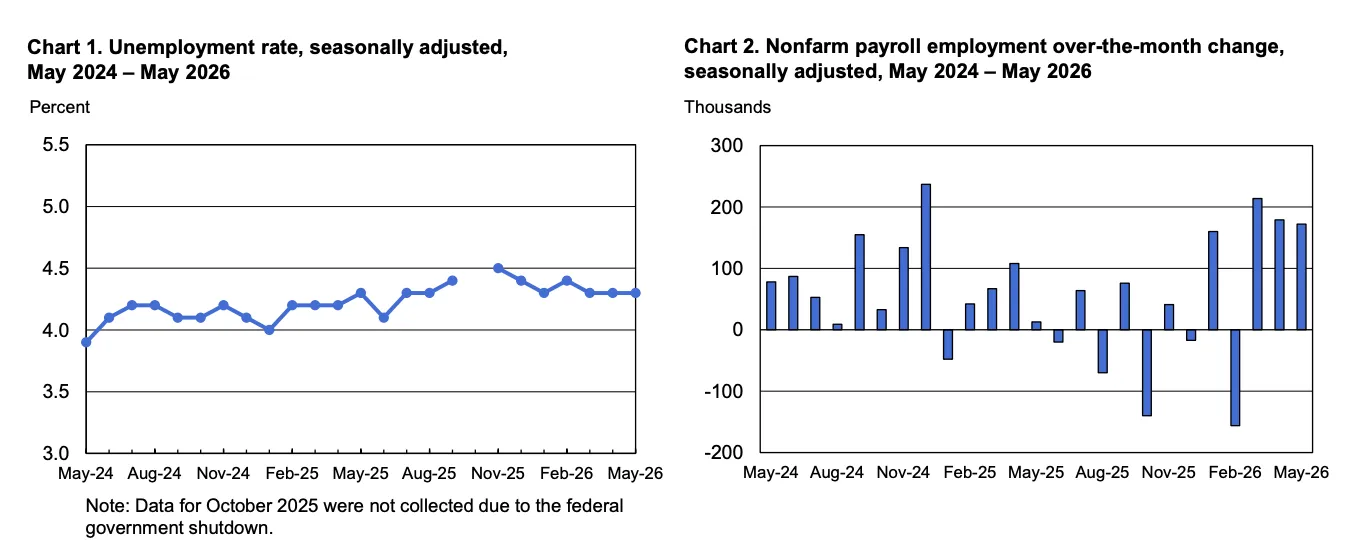
While lingering macro headwinds persist, current economic readings and policy debates fail to trigger systemic market shocks. We recommend full bullish positioning in risk assets moving forward, with limited need to overprice downside risks stemming from U.S.-Iran geopolitical tensions.
2. Technology Sector: Massive Capacity for All Participants
Anyone still holding tech exposure through June’s volatility qualifies as a loyal tech investor. The sector boasts immense market capacity, allowing every participant to carve out a profitable trading style that matches their risk profile.
This reminds me of a classic World of Warcraft tagline: If you want to play a mage, even the clumsiest, most unskilled mage—being a mage is enough. The same logic applies to tech investment today.
3. Gold: Near-Term Pullbacks Are Temporary, $5,000 Year-End Target Intact
The recent gold price correction has triggered heavy paper losses for retail investors, who are among the most active buyers of physical and traded gold products. Our core bullish thesis on gold remains unchanged: the metal’s long-term uptrend this year is far from over, and our year-end price target of $5,000 per ounce stays in place.
New entrants spooked by short-term floating losses should avoid over-anxiety. Major sustained bull rallies rarely kick off when market sentiment is universally optimistic. The fundamental bull case for gold remains threefold: widespread global fiscal expansion, the long-term depreciation of fiat currencies, and uninterrupted gold reserve accumulation by central banks worldwide. Short-term volatility is inevitable, yet we retain a strongly optimistic view on gold’s price recovery within 2026.
4. Bitcoin: Entering a Strategic Accumulation Cycle, Shifting MSTR Market Dynamics
Bitcoin is now entering a prime accumulation phase worthy of institutional and retail investors’ full attention. MicroStrategy (MSTR) has dominated market discourse around BTC exposure over the past few years: it originally served as a leveraged vehicle to amplify Bitcoin price exposure, yet shifting market conditions have repositioned it as an independent tradable asset, rather than a pure BTC proxy.
Following persistent compression of its market-adjusted net asset value (mNAV), traders have increasingly turned to MSTR as a short-selling instrument, marking a complete shift in the stock’s core trading narrative.
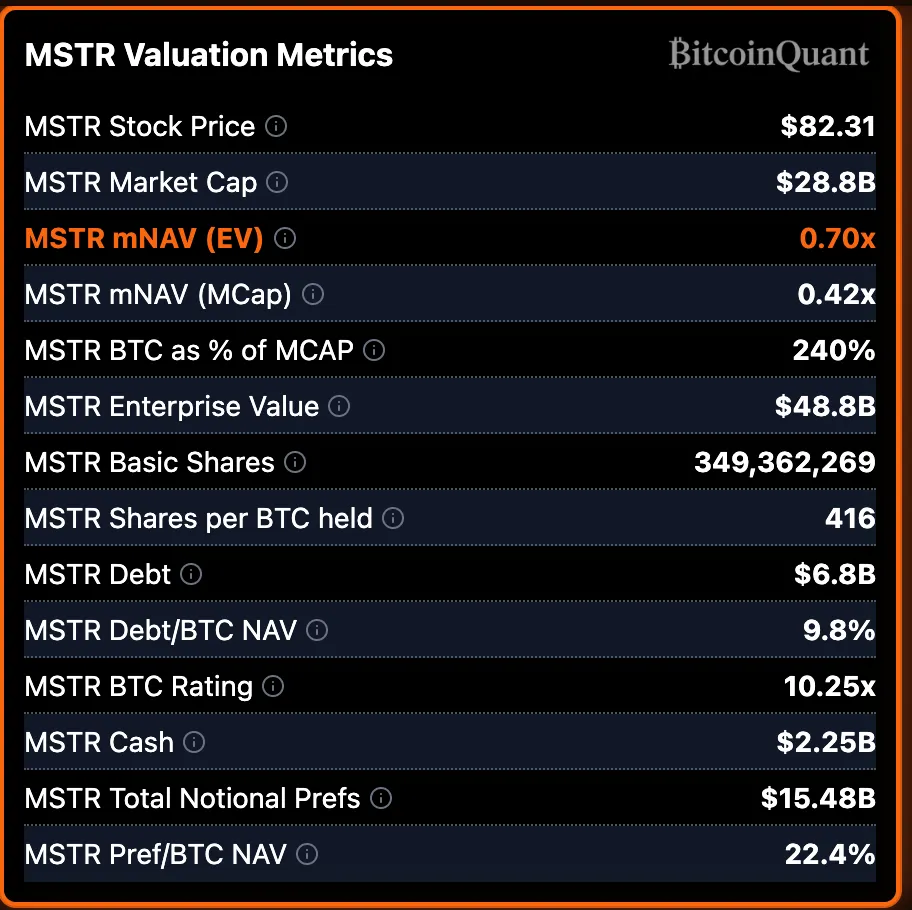
Contrasting this bearish sentiment toward MSTR, institutional order flow reveals a more forward-looking dynamic: early institutional capital has begun gradual BTC accumulation amid unresolved market uncertainty. Large institutional allocators rarely wait for uniformly positive headlines to deploy capital; they build positions incrementally while the market remains divided and sentiment fragile.
Short-term price swings hold minimal significance. The critical question is whether investors seize current high-value entry windows to scale up their Bitcoin holdings gradually.
This is not investment advice. Markets are inherently volatile and unpredictable, and investors should always retain humility and respect for price action.